Wayne Font: A Handwritten Typeface for Handmade Sellers
Last week I found myself sitting at my kitchen table with a fresh batch of soy wax candles cooling on the counter. I had spent the morning testing fragrance combinations, and now came the part I always look forward to: designing the labels. I opened my design software, pulled up the Wayne font, and typed out a simple candle name. The moment the letters appeared on the screen, I knew this was the typeface I had been searching for. There is something about the way Wayne curves and flows that makes even the simplest words feel like they belong on something special.
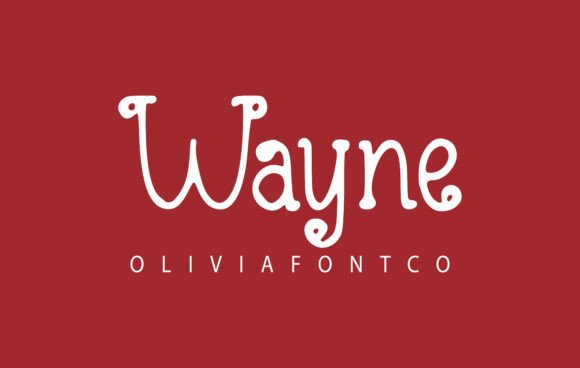
Wayne is an authentic handwritten font with a romantic touch. It does not try to be perfect, and that is exactly what makes it so appealing. The letters have a natural, human feel to them, as if they were carefully written with a favorite pen on a quiet afternoon. The rhythm of the strokes feels warm and personal, and that quality translates beautifully onto physical products. Whether you are printing on paper, vinyl, or fabric, Wayne brings a sense of care and intention to whatever you create.
What Makes Wayne Stand Out for Handmade Products
The handwritten charm of Wayne is its greatest strength. In a world where so much design feels digital and polished, this font offers a breath of fresh air. The letterforms have a gentle, flowing quality that feels both modern and timeless. The romantic undertones make it a natural fit for wedding stationery, anniversary gifts, and love notes, but do not let that limit your imagination. I have used Wayne on farmhouse-style signs, boutique packaging tags, and even on a simple tote bag design, and it adapts beautifully to each context.
One of the things I appreciate most about Wayne is how it handles short phrases and single words. Because the font has such a strong personality, it works wonderfully as a display typeface for titles, names, and decorative wording. I have tested it on candle labels, and the results were stunning. The font remains readable even at smaller sizes, which is not always the case with handwritten styles. On a 2-inch by 3-inch candle label, the name of the scent reads clearly and adds a layer of handmade charm that customers notice immediately.
Putting Wayne to Work Across Your Shop
Once I started using Wayne for my candle labels, I found myself reaching for it again and again. It quickly became a staple in my design workflow. Here are some of the ways I have used it across different products, and how you might consider using it in your own shop.
For greeting cards, Wayne adds a personal, heartfelt touch. I used it on a set of birthday cards last month, pairing it with a simple floral illustration. The font carried the sentiment of the message without overwhelming the design. The same approach works beautifully for thank you cards, sympathy cards, and everyday notes. Customers often comment on how the lettering feels like it was written just for them, which is exactly the reaction you want from a handwritten font.
Wedding invitations are another natural fit. I recently helped a friend design her save-the-date cards using Wayne for the couple's names and a clean sans serif for the details. The combination was elegant and approachable. The romantic quality of Wayne suited the occasion perfectly, and the invitations received many compliments. For the envelope addressing, I used Wayne again, and the consistency across the suite gave everything a cohesive, polished look.
Printable wall art is a category where Wayne truly shines. I have created simple quote prints that sold well in my Etsy shop. The font's handwritten feel makes each print look like an original piece of art. I kept the designs minimal: a single quote in Wayne, centered on quality paper stock. The result was understated yet impactful. Customers have used these prints for nurseries, living rooms, and home offices. The font's warmth makes any space feel more inviting.
For product tags and boutique packaging, Wayne adds a level of perceived quality that is hard to achieve with standard fonts. I print my tags on kraft paper cardstock, and the font looks right at home against the natural texture. Whether you are selling handmade soap, jewelry, or baked goods, a tag featuring Wayne communicates that your product was made with care. I have also used it on sticker sheets that customers can add to their own packaging, and those have been a popular add-on in my shop.
The Effect on Product Presentation and Brand Identity
The font you choose for your products directly affects how customers perceive your brand. Wayne, with its authentic handwritten style, creates an emotional connection that many fonts cannot replicate. When a customer sees a label or tag printed in Wayne, they subconsciously associate it with something handmade and personal. That perception translates into trust and a willingness to pay a little more for the quality they feel.
Brand consistency is another factor. If you use Wayne across your product labels, packaging, social media graphics, and even your shop banner, you build a cohesive visual identity that customers recognize. I have started using Wayne in my listing images and mockup previews, and the unified look has made my shop feel more professional. The font is distinctive enough to be memorable but versatile enough to work across different mediums.
Readability and Practical Production Advice
When working with any handwritten font, readability is always a consideration. Wayne performs well in this regard. The letterforms are clear and distinct, even when scaled down for small stickers or product labels. I have tested it on labels as small as 1.5 inches wide, and the text remains legible. For cutting machine users, Wayne works well with Cricut and Silhouette machines. The font's consistent stroke width makes it easy to cut from vinyl, heat transfer material, or adhesive paper.
One tip I have learned through trial and error is to test the font at the size you plan to use before committing to a full production run. Print a sample on your chosen material and see how it looks. With Wayne, I have found that it reads beautifully at sizes as small as 10 points, though it truly shines between 14 and 24 points for most applications. For large signs or posters, the font scales up wonderfully and retains its handwritten charm.
If you are using Wayne for heat transfer on mugs or T-shirts, I recommend keeping the text simple. Single words or short phrases work best. The font's decorative nature can become busy if you try to pack too many words into a small space. For longer text, consider using a clean sans serif companion font and reserving Wayne for the headline or title.
Font Pairing Suggestions for a Cohesive Look
Wayne pairs beautifully with a range of other fonts. A clean sans serif like Montserrat or Open Sans provides a nice contrast to the handwritten warmth of Wayne. I often use a sans serif for body text and pricing information on labels, while keeping the product name or brand name in Wayne. The combination feels balanced and professional.
A simple serif font can also work well alongside Wayne, especially for more formal projects like wedding invitations or certificate designs. The serif adds a traditional anchor while Wayne brings the personality. If you want to stay within the handwritten family, consider pairing Wayne with a simpler, more understated handwritten font for supporting text. The key is to let Wayne be the star of the design.
For bold display needs, a heavy sans serif can create an interesting dynamic. The contrast between a chunky bold font and the delicate flow of Wayne adds visual interest to posters, signs, and social media graphics. Experiment with pairings on your mockups before settling on a combination. You may be surprised by what works.
Licensing, File Formats, and What to Check Before You Buy
Before you start selling products that feature Wayne, it is important to understand the licensing terms. The font is listed under Script Amp and falls under the Fonts category. When you purchase Wayne, check whether the license covers commercial use for physical products like candles, T-shirts, mugs, and signs. Most premium fonts include a standard commercial license, but it is always wise to confirm.
If you plan to sell digital downloads such as printable wall art, invitations, or templates, make sure the license allows for that specific use. Some fonts require an extended license for digital products that are sold to customers. The same goes for SVG-style designs and cut files. Read the terms carefully to avoid any surprises later.
Wayne typically comes with a range of useful features. Check what is included in the file package. Many handwritten fonts offer stylistic alternates, ligatures, and swashes that give you more creative control. These extras allow you to customize the look of your text and avoid repeating the same exact letterforms. For product makers, these features are invaluable for creating unique designs.
Also verify that the font includes the characters you need. If you work with multiple languages, look for multilingual support. File format is another consideration. Most fonts come in OTF and TTF formats, which work well with design software like Adobe Illustrator, Photoshop, Canva, and Silhouette Studio. Make sure the format is compatible with your workflow before purchasing.
Bringing Wayne into Your Creative Process
The best way to understand what Wayne can do for your products is to try it yourself. Download a sample version if available, or purchase the font and test it on a few projects. Start with something simple: a candle label, a gift tag, or a greeting card. See how the font interacts with your material and your design style.
I remember the first time I used Wayne on a mockup for a new product listing. The font changed the entire mood of the design. What had been a standard product photo became something that felt personal and inviting. That is the power of a well-chosen typeface. Wayne has become one of my go-to fonts for projects where I want to communicate warmth, care, and authenticity.
Whether you are a seasoned seller or just starting your handmade business, the fonts you choose are a reflection of your brand. Wayne offers a handwritten elegance that resonates with customers and elevates your products. From candle labels to wedding invitations, from printable wall art to boutique packaging, this font has the versatility and charm to become a favorite in your creative toolkit. Give it a try on your next project and see how it transforms your work.